Showing posts with label Diet & Fitness. Show all posts

Monday, 2 January 2017

5 Foods You Should Never Eat On An Empty Stomach!

5 Foods You Should Never Eat On An Empty Stomach!
You can do lots of things on an empty stomach. For example, is better experienced with an empty belly. Going to bed on the full belly can quick the body fat to maintain those additional calories because with belly fat sleeping needs little power.
One may believe it’s a healthful choice to consume a banana or even drink the cup of coffee very first thing in the morning. However, they may be all those foods which shouldn’t become eaten with an empty belly.
But, there are specific things that you need to avoid with an empty belly. Here are some of these.


TOMATOES
Tomato vegetables are full of nutritional vitamins, antioxidants, as well as soluble components. However, whenever eaten with an empty belly, these components combine with gastric acid and due to constipation And indigestion which could lead to stomach prevent. This places pressure on to the belly, which causes a good ache, and it is especially harmful to people who currently suffer from ulcers or acid reflux disease.
DRINKING TEA/COFFEE
heading for which freshly made a cup of tea or even coffee very first thing in the morning can perform you much more harm compared to good. Consuming coffee with an empty belly increases the level of acidity, constipation, and indigestion, which in turn leads to heartburn as well as indigestion during the day. Drinking green tea on an empty stomach may suppress the actual secretion associated with gastric fruit juices and decreases bile as well as acid within the stomach. It may also reduce your hunger.
SPICY MEALS
Eating your own favorite hot and spicy foods with an empty belly can prove harmful. It interferes with the organic acids found in the stomach, and could, in fact, trigger an acidic response in the stomach’s lining. A typical symptom of this kind of reaction is actually cramped.
BRIEF CRUST/PUFF PASTRY
The next time a person eyeballs which continental breakfast time, think again. Although croissants, as well as Danishes, tend to be delicious, they are full of Candida, which is a kind of bacteria which irritates the actual stomach liner and may trigger flatulence. No one wants which!
ALCOHOL
Alcohol consumption on an empty stomach leads to the alcoholic beverages to straight hit the actual bloodstream and a cause of constipation and indigestion. The actual alcohol is actually distributed rapidly throughout the entire body and causes blood vessels in order to widen. Additionally, it causes a short-term decrease in heartbeat rate as well as blood pressure. Since the blood alcoholic beverages, concentration raises so really does the loss of manage.
CARBONATED DRINKS
this should become a no-brainer. In fact, you should never consume bubbly drinks actually. Studies have demonstrated they boost the risk of malignancy, heart disease, diabetic, constipation and indigestion and liver organ damage. Soda pop normally consists of about eight to ten teaspoons associated with sugar that, on an empty stomach, is equivalent to injecting half a dozen times just as much sugar within your blood compared to should normally be found. This produces an insulin rush that triggers a good adrenaline spike, followed by the sugar higher. Not to mention, drawback symptoms later on!
If you enjoy this video (5 Foods You Should Never Eat On An Empty Stomach!

Tuesday, 27 December 2016

How to Get Rid of Belly Fat Fast And Easy

How to get rid of belly fat fast and easy at home
Fat is becoming more and more of a problem every year, and people are certainly not excluded from that fact. However, teenagers are in one of the best age groups to get rid of belly fat fast and easy way to lose weight. Here are a few simple ways that a teenager can shed extra weight. Change your Eating Habits Most teenagers love to eat. Later in life, they may find that certain foods give them unsettled stomach, but right now they can eat almost anything without a trouble. This can lead to very poor eating habits. This is why it is important to make some rules for your diet. While it may seem suitable to grab a burger at a fast food restaurant when you're out shopping, try to find a smoothie place instead. When you go out to a restaurant, choose one of the healthier options instead of something deep fried and oily. Snack on light buttered popcorn while watching TV instead of eating a bag of potato chips. However, changing your eating habits does not mean that you cannot enjoy the food.
How to get rid of belly fat fast and easy:


There is nothing wrong with the special hot dog or piece of chocolate cake. Instead of viewing your diet as something strict, try to make better choices and limit your portion sizes so that fattier foods are eaten in smaller quantities. Be More Active It can be easy to spend your spare time in front of the television or a video game, but it is very important that some exercise to get rid of belly fat fast and easy as well. But to get rid of belly fat fast and easy doesn't require lots of crunches or running five miles a day.
Simply choosing activities that are more active will be beneficial. Simple things that you already do can help you to get rid of belly fat fast and easy. Walking around the mall, going bowling or ice skating, swimming and riding your bike down the street are all fun activities that also help you burn calories. Focus on your Future being a teenager is not the easiest stage in life, but it is a very important one. During the teen years, individuals set a path for their lives. These years are crucial for character development because this is when people create habits that will remain consistent for their entire lives. If you are a teenager struggling to lose weight, keep working hard at it and focus on your future. If you learn how to eat properly and exercise now, it will be much easier for you to continue those good habits in the future instead of becoming worse. How to get rid of belly fat fast and easy will help you to have success losing weight and keeping it off for the rest of your life. Keep working hard and the weight will come off. For More Info About how to get rid of belly fat fast and easy Click Here Related Search Terms Of Easiest Way To Lose Weight and fastest way to lose weight For Teenagers: How to get rid of belly fat fast and easy When Your 12A Good Diet For Teenagers Tips For Lose Weight Fast Losing Weight Fast For Teenagers how to get rid of belly fat fast and easy How To Lose Weight In A Day For Teenagers how to get rid of belly fat fast and easy Without Exercise Easiest Way To Lose Weight Fast For Men Easiest Way To Lose Weight Fast For Kids Make Sure To Click The Link :
Today I'm going to share with you the Easiest Way how to get rid of belly fat fast and easy Easiest Way To Lose Weight Fast. The good news is that this applies to men, women, and teenagers. How to get rid of belly fat fast and easy Easiest Way To Lose Weight Fast It doesn't matter who you are, you can start to apply these tips right now to lose fat. I really hope this video Lose Weight Fast For Teenagers has served you.
If you enjoy this video (how to get rid of belly fat fast and easy) Please SUBSCRIBE to our YouTube channel
And join us our FaceBook page at https://www.facebook.com/healthandfitness645/
AND PLEASE DON'T FORGET TO SUBSCRIBE

Thursday, 16 October 2014

How To Slim Your Hips And Thighs


Many women tell me that every stray calorie seems to migrate to their hips and thighs. This is not a figment of their imaginations. And many women are looking for ways to get slim hips and thighs.
Before menopause, many women's bodies store excess fat predominantly in this area, creating what's come to be known as the "pear-shaped" body. For thousands of years, fat storage in these areas greatly helped cave-dwelling women survive during times of drought and famine. And women who could easily store fat in their hips and thighs tended to be able to give birth and feed a baby during a drought—during pregnancy and breastfeeding, the body needs as many as 1,000 extra calories a day—thus passing on their thigh-fat-storing genetics to future generations.
This is one reason why thigh fat is so difficult to get rid of. Genes left over from your cave-dwelling ancestors cause hormones and enzymes in your body to direct every extra calorie into waiting fat cells in your hips and thighs. For example, your levels of the female sex hormone estrogen may be a tad higher than other women whose bodies don't store excess fat in these areas (or as much of it).
But there are ways to coax these fat cells in your thighs to release their contents, and to coax your muscle cells into burning it up! So don't despair. Read on for the right moves that blast fat from your hips and thighs.
What Causes Cellulite?
Besides excess fat in their thighs, many women complain to me about a certain type of fat known as cellulite. They tell me that no matter how much weight they lose, they can't seem to smooth out the tiny lumps of fat on their thighs. Indeed, some of the most slender women have cellulite. Cellulite is created when fat manages to push its way through tiny holes in your connective tissue, the thick web of interwoven fibers just underneath your skin. Strong and healthy connective tissue forms a tighter web of interwoven fibers, preventing fat from pressing its way through. Weak, unhealthy connective tissue, on the other hand, more easily stretches apart, allowing tiny fat pockets to poke through. Many factors can weaken your connective tissue, setting the stage for cellulite. They include:
High Hormone Levels Women with higher-than-normal levels of the female hormone estrogen tend to suffer more often from cellulite. Other than directing extra calories to fat cells in your thighs, estrogen also weakens connective tissue. When estrogen softens connective tissue around the womb, it makes childbirth possible. Unfortunately, estrogen softens all of the connective tissue in your body, not just that around your womb.
Poor Blood Circulation Usually, high estrogen levels alone won't trigger cellulite to form. Many experts believe that you must also have poor blood circulation to your connective tissue, which tends to cause swelling. The swelling stretches the connective tissue apart, allowing the fat to bulge through.
Fluid Retention Many people think that fluid retention takes place only in the abdomen. That's not true. It actually occurs all over your body, including your thighs. If you've ever pulled on a favorite pair of pants and found them tight in the thighs one day and loose the next, you've experienced the ebb and flow of fluid retention. Any type of swelling in your thighs--particularly on a chronic basis—will stretch out and weaken connective tissue.
Move 1: Seated Pillow Squeeze
(works on inner thighs)

Sit on a sturdy chair (one without wheels). Rest your feet on the floor with your knees bent at 90-degree angles. Place a pillow between your thighs. Exhale as you squeeze the pillow between your thighs, as if you were trying to squeeze the stuffing out of the pillow. Hold for 1 minute as you breathe normally. Release and proceed to Move 2.
Move 2: Seated Hand Push
(works outer thighs and hips)

Sit on a sturdy chair. Rest your feet on the floor with your knees bent at 90-degree angles. Place your palms on the outsides of your knees. While keeping your palms and arms stationary, push your knees outward against your palms, as if you were trying to push your palms away. At the same time, press inward with your hands, preventing your thighs from pushing them outward. Hold this isometric contraction for 1 minute, breathing normally. Release and proceed to Move 3.
Move 3: Seated Leg Raise
(works fronts of the thighs)

Sit on a sturdy chair. Rest your feet on the floor with your knees bent at 90-degree angles. Rest your hands on the chair at your sides. Exhale as you lift and extend your right leg. Hold for 30 seconds as you breathe normally. Then inhale as you lower your right leg and exhale as you repeat with your left leg. Hold for 30 seconds while breathing normally. Release and proceed to Move 4.
Move 4: Seated Bridge
(works the backs of the thigh and rear end)


Sit on the edge of a sturdy chair. Rest your feet on the floor with your knees bent at 90-degree angles. Rest your palms on the chair at your sides. Exhale as you lift your hips, allowing your palms and feet to support your body weight. Continue to lift your hips until your body resembles the shape of a bridge. Hold for 20 to 60 seconds while breathing normally. Release and return to Move 1. Repeat Moves 1-4 once more, and you're done.


How to Lose Weight in a Comfortable Way


I do my best to exercise 5 to 6 times a week, but there are days when I simply cannot pull myself out of bed in time to sweat before work, or when I'm traveling and my normal routine is completely thrown off track. Instead of completely scrapping my routine, I’ll try and squeeze in a few bodyweight exercises—namely squats, planks, chair dips and pushups—throughout the day. These four moves give you a full-body toning and strength session in just a few minutes. I find that they also boost my energy and mood on days when I'm feeling tired, stressed or overwhelmed, too. (Are you tired, too? See 11 Fast Fixes For Energy.)

Many other fitness experts agree: "I like these moves because they use bodyweight for resistance," says Alice Burron, 45, a mother of four and a personal trainer in Cheyenne, Wyoming. "That means they're simple but still challenging, convenient, and inexpensive—and they work." To sneak in one set of all of these exercises would only take you about 5 minutes. To build muscle and burn calories, try to do  three 5-minute mini workouts with these moves in one day. All in all, you’re only working out for 15 minutes.


Personal trainer and co-author of Thin in 10 Weight-Loss Plan Liz Neporent agrees: "When you do these four moves you're hitting all of your major muscle groups effectively. And they're efficient because you don't waste time isolating one muscle group at a time, as some exercises tend to do, and instead work several major muscle groups in tandem. These integrated muscle movements use the body exactly as intended— the way you typically use them in daily activities and when you do sports and fitness activities. This helps you perform better and prevent injuries."
Want to give it a try? Follow this workout from Burron and Neporent. Start with 1 set of 8 to 15 reps of each move (unless otherwise noted), and gradually build to 2 or 3 sets.
Must-Do Move #1: Chair Dips
Great for toning your triceps and core
Sit on the edge of a sturdy, stable chair with legs together, knees bent and feet flat on floor a few feet in front of chair. Place your hands about six inches apart, and firmly grip the edges of the chair. Slide your butt just off the front of the chair so that your upper body is pointing straight down. Keep your abdominals pulled in and your head centered between your shoulders. Bend your elbows and lower your body in a straight line. When your upper arms are parallel to the floor, push yourself back up, being careful not to lock elbows. Repeat. (Want more arms?
Make it easier: Keep feet close to the chair and the dip slow, controlled, and shallow.
Add a challenge: If you’re intermediate, position feet a little farther from chair, and deepen your dip. If you’re advanced, straighten your legs completely, and place heels on floor, or place one or both feet on another chair, bench or exercise ball. Perform deep but controlled dips.
Must-Do Move #2: Push-ups
Great for toning your chest, shoulders, triceps, back, hips, and abs
Start in a basic push-up position with hands directly beneath shoulders and body in a straight line. Bend elbows out to sides and lower body almost to floor (or as far as you can). Keep abs tight and body in a line. Hold for 1 second, then push back up. Repeat.
Make it easier: If you’re a beginner, do push-ups on knees. Keep the movement shallow and controlled. Still too challenging? Start with a push-up on the wall, progressing to the floor as you become stronger.
Add a challenge: If you’re advanced, try lifting one leg off the floor as you do each push-up.
Must-Do Move #3: Squats
Great for toning your glutes, hamstrings and quads
Stand with feet parallel and hip-width apart. Bend your knees and lower your body into a squat position, as if you are sitting back into an imaginary chair, keeping knees behind toes. Stop when your knees are at 90 degrees. Slowly press through your heels and squeeze your glutes as you return to standing.
Make it easier: Don’t bend knees as deeply
Add a challenge: Add weights, do a single-legged squat, or perform squats on an unstable surface, like a balance disc or Bosu ball. To incorporate cardio, do squat jumps.
Must-Do Move #4: Plank
Great for toning your abs, back, chest, forearms and shoulders
To come into plank pose, hold a push-up position, weight on balls of feet and hands, wrists directly below shoulders, arms straight, and body in line from head to heels. Hold for as long as you can, working up to 1 minute. That’s 1 rep. Do 2 or 3 reps.
Make it easier: Instead of being on hands, lower yourself to your forearms.
Add a challenge: Raise 1 leg off the floor and hold for 30 seconds. Switch legs and hold for another 30 seconds to complete 1 rep. To add variety, try side plank: Lie on your right side with your legs straight, and feet stacked, right hand directly under right shoulder. Lift hips off floor and raise left arm to sky, keeping left hand directly over left shoulder. Hold for 30 to 60 seconds. Switch sides and repeat to complete 1 rep.


7 Cancer-Fighting Culinary Spices and Herbs


Ginger
Ginger has long been used in folk medicine to treat everything from colds to constipation. Ginger can be used fresh, in powdered form (ginger spice), or candied. Although the flavor between fresh and ground ginger is significantly different, they can be substituted for one another in many recipes. In general, you can replace 1/8 teaspoon of ground ginger with 1 tablespoon of fresh grated ginger, and vice versa.
Consuming ginger and ginger products, in addition to taking any anti-nausea medications as prescribed, may provide some comfort for a queasy stomach during cancer treatment.

Rosemary
Rosemary is a hearty, woody Mediterranean herb that has needlelike leaves and is a good source of antioxidants. Because of its origin, rosemary is commonly used in Mediterranean cooking and you’ll often see it included as a primary ingredient in Italian seasonings. You can use it to add flavor to soups, tomato-based sauces, bread, and high-protein foods like poultry, beef, and lamb.
Rosemary may help with detoxification; taste changes; indigestion, flatulence, and other digestive problems; and loss of appetite. Try drinking up to 3 cups of rosemary leaf tea daily for help with these problems.

Turmeric
Turmeric is an herb in the ginger family; it's one of the ingredients that make many curries yellow and gives it its distinctive flavor. Curcumin appears to be the active compound in turmeric. This compound has demonstrated antioxidant and anti-inflammatory properties, potentially protecting against cancer development.
Turmeric extract supplements are currently being studied to see if they have a role in preventing and treating some cancers, including colon, prostate, breast, and skin cancers. Although results appear promising, they have largely been observed in laboratory and animal studies, so it’s unclear whether these results will ultimately translate to humans.

Chile peppers
Chile peppers contain capsaicin, a compound that can relieve pain. When capsaicin is applied topically to the skin, it causes the release of a chemical called substance P. Upon continued use, the amount of substance P eventually produced in that area decreases, reducing pain in the area.
But this doesn’t mean you should go rubbing chile peppers where you have pain. Chile peppers need to be handled very carefully, because they can cause burns if they come in contact with the skin.
Therefore, if you have pain and want to harness the power of chile peppers, ask your oncologist or physician about prescribing a capsaicin cream. It has shown pretty good results with regard to treating neuropathic pain (sharp, shocking pain that follows the path of a nerve) after surgery for cancer.
Another benefit of chile peppers is that they may help with indigestion. Seems counterintuitive, right? But some studies have shown that ingesting small amounts of cayenne may reduce indigestion.

Garlic
Garlic belongs to the Allium class of bulb-shaped plants, which also includes chives, leeks, onions, shallots, and scallions. Garlic has a high sulfur content and is also a good source of arginine, oligosaccharides, flavonoids, and selenium, all of which may be beneficial to health. Garlic’s active compound, called allicin, gives it its characteristic odor and is produced when garlic bulbs are chopped, crushed, or otherwise damaged.
Several studies suggest that increased garlic intake reduces the risk of cancers of the stomach, colon, esophagus, pancreas, and breast. It appears that garlic may protect against cancer through numerous mechanisms, including by inhibiting bacterial infections and the formation of cancer-causing substances, promoting DNA repair, and inducing cell death. Garlic supports detoxification and may also support the immune system and help reduce blood pressure.

Peppermint
Peppermint is a natural hybrid cross between water mint and spearmint. It has been used for thousands of years as a digestive aid to relieve gas, indigestion, cramps, and diarrhea. It may also help with symptoms of irritable bowel syndrome and food poisoning. Peppermint appears to calm the muscles of the stomach and improve the flow of bile, enabling food to pass through the stomach more quickly.
If your cancer or treatment is causing an upset stomach, try drinking a cup of peppermint tea. Many commercial varieties are on the market, or you can make your own by boiling dried peppermint leaves in water or adding fresh leaves to boiled water and letting them steep for a few minutes until the tea reaches the desired strength.
Peppermint can also soothe a sore throat. For this reason, it is also sometimes used to relieve the painful mouth sores that can occur from chemotherapy and radiation, or is a key ingredient in treatments for this condition.

Chamomile
Chamomile is thought to have medicinal benefits and has been used throughout history to treat a variety of conditions. Chamomile may help with sleep issues; if sleep is a problem for you, try drinking a strong chamomile tea shortly before bedtime.
Chamomile mouthwash has also been studied for preventing and treating mouth sores from chemotherapy and radiation therapy. Although the results are mixed, there is no harm in giving it a try, provided your oncologist is not opposed. If given the green light, simply make the tea, let it cool, and rinse and gargle as often as desired.
Chamomile tea may be another way to manage digestive problems, including stomach cramps. Chamomile appears to help relax muscle contractions, particularly the smooth muscles of the intestines.


Wednesday, 15 October 2014

10 Best Diet Tips Of All Time


Best weight loss tricks ever!
If you've ever tried to lose weight (and who hasn't), you've got to be mindful of whose advice you take. Your colleague says you need to cut out carbs. Your gym buddy knows the secret is to stop eating after 7 p.m. Your Facebook friend swears she’ll be in swimsuit shape by March if she only eats once a day. Your husband, well, he sneezes and the weight seems to fall off.
But do any of these tips really work? To help you shed those extra pounds—and keep them off—without starving yourself, ditching your social life, or eating only at odd times of the day, we talked to experienced nutritionists for real-world advice you can actually live with, day in and day out. We'll tell you how to focus on the delicious foods you can add to your diet, why you should be eating more often (yes!), the fat loss benefits of more sleep, and how even taking a few deep breaths can put you on a successful path to weight loss.
1. Never get too hungry
You make poor decisions when your judgment is compromised. Hunger is a primal urge that’s difficult to deny. When you're famished, it's hard to hold off until you can find healthy food. As a result, you end up eating anything that's not nailed down, and typically, regretting it. Planning meals and snacks works wonders to head off the intense hunger that can do a number on your best intentions to eat right. Always tote healthy snacks, such as an ounce of pistachios, a hard-cooked egg and some whole grain crackers, Greek yogurt, or 1/4 cup raisins. Don't skip meals or skimp on them, either.
2. Be honest about your daily calorie allowance
Everyone has a calorie budget, whether you're trying to maintain your weight or lose a few pounds. I've found that people ignore this simple fact. Your calorie budget allows you to build a healthy diet, and it helps prevent frustration about weight control. The 2010 Dietary Guidelines for Americans provide suggested daily calorie intakes based on gender, age, and physical activity level. When you know your calorie budget, then you can plan on how many servings of fruits, vegetables, whole grains, low-fat dairy, and other protein sources to include every day.
3. Eat right post-workout
People are notorious for overestimating how many calories they burn during physical activity, which is often far less than actual calories burned. When you overestimate the calories you burn during exercise, you may eat more than you need, making weight loss and maintenance difficult. High-intensity exercise may drive women to eat more, and moderate exercise may be the key to easier weight control. To see how many average calories you’re burning during everyday activities and exercise. You can see how easy it is to wipe out the calories burned during a workout with just a few extra nibbles during the day. 
4. Use the red, orange and green rule
At each meal include one food that is any of these colors. By focusing on these foods, you'll be sure to get some produce on your plate and won't have space on your plate for higher-calorie fare. (Bonus: Colorful fruits and veggies help your skin look healthier and younger!
5. Eat one less bite
Doing this at every meal could save about 75 calories a day which equates to nearly an 8-pound weight loss in one year!
6. Be a heavy drinker
Water is essential for keeping the body hydrated and we're actually more likely to retain "water weight" by not drinking enough of it rather than by having too much. The needs of each person will be different, but the general recommended daily amount is 64 ounces. It also takes up space in your stomach so you'll feel fuller while taking in less calories.
7. Kick the salt habit
Salt is a big contributor to weight gain and often a reason why the numbers on the scale aren't going down. The average American consumes twice the amount of salt they should have each day, leading to weight gain, bloating, and the inability to lose stubborn pounds. Salt can also make you feel hungrier and thirstier, so check the nutrition labels for high sodium levels and choose fresh over packaged or restaurant foods. You'll see a puffy face and belly go down quickly just by cutting back on your sodium intake and choosing more natural foods.
8. Spice up your food
Adding hot spices to your meals can help curb hunger, according to a study in the British Journal of Nutrition. Need another reason to add some heat? Scientists at the State University of New York at Buffalo found that capsaicin (a compound found in chilies) triggers your brain to release feel-good endorphins. A full belly and a good mood? Pass the hot sauce!
9. Don't think diet soda will help you lose weight
A University of Texas Health Science Center study found that the more diet sodas a person drank, the greater their risk of becoming overweight. Downing just two or more cans a day increased waistlines by 500%. Why? Artificial sweeteners can disrupt the body's natural ability to regulate calorie intake based on the sweetness of foods, suggested an animal study from Purdue University. That means people who consume diet foods might be more likely to overeat, because your body is being tricked into thinking it's eating sugar, and you crave more.
A separate study found that even just one diet soda a day is linked to a 34% higher risk of metabolic syndrome, the group of symptoms including belly fat and high cholesterol that puts you at risk for heart disease. Whether that link is attributed to an ingredient in diet soda or the drinkers' eating habits is unclear. But is that one can really worth it?
10. Focus on nutrient balance instead of calorie counting
Making sure an eating occasion has carbs, protein, and fat instead of just counting calories (like a 100-calorie pack) delivers better energy and fat loss results by giving the body what it needs, like quick- and longer-digesting nutrients so you stay full longer.


Can Cold Weather Change Bad Fat to Good Fat?


Researchers have found that exposure to cold temperatures may prompt unhealthy fats to become healthy fats, but obesity and inflammation may blunt the effect.
Cold temperatures may prompt unhealthy white fat in the thighs and belly to turn into brown fat that burns calories for body heat, a new study says.
But being obese appears to hinder this process, according to researchers.
Most adult fat deposits are what's known as white fat, and it was once believed that only babies have brown fat, which appears to help keep them warm.
Previous research suggested, however, that adults also have some brown fat. Then a study published in 2012 by researchers at Harvard determined that the brown fat found in adults isn't the same as brown fat in babies.
Brown fat in babies arises from muscle, but brown fat in adults is actually a "beige" fat that occurs from the "browning" of white fat, the Harvard team explained.
For the new study, a team of researchers led by Dr. Philip Kern of the University of Kentucky School of Medicine compared belly fat taken from 55 people during the summer and the winter. They also examined thigh fat collected from 16 people after they held an ice pack on their skin for 30 minutes.
RELATED: U.S. Obesity Rate Shows Signs of Leveling Off
Belly fat taken from people in the winter had higher levels of two genetic markers for brown fat than belly fat collected in the summer, the study found.
The thigh fat taken after people placed an ice pack on their skin also had higher levels of three genetic markers linked with brown fat, the researchers reported.
However, these brown fat-producing effects were blunted in obese people, according to the study released Oct. 9 in the Journal of Clinical Endocrinology & Metabolism online.
"We wanted to investigate whether human adults had the ability to transform some white fat deposits into beige fat when they were exposed to cold," Kern said in a journal news release.
"Browning fat tissue would be an excellent defense against obesity. It would result in the body burning extra calories rather than converting them into additional fat tissue," he added.
Kern said the findings "indicate inflammation can hinder the conversion of white to beige fat."
Prior research has shown that brown fat prevents obesity in rodents, according to the researchers. And several past studies have suggested that cooler temperatures may help burn calories in humans, including one study that suggested the effect might be linked to brown fat.
But for now, the research is preliminary and experts say it's too soon to know if cold temperatures would have much of an effect on weight in people.


Tuesday, 14 October 2014

Excessive Gas and the Foods You Eat


Although passing gas can be embarrassing, it’s also perfectly normal. Most people pass gas or belch more than 20 times a day. Your gut produces excessive gas for a number of reasons — swallowing too much air or changes in your diet, for example. Other common causes of gas are food intolerance and difficulty digesting certain foods. Even things that are good for you, such as fiber-filled foods, also cause gas, so eating them slowly and limiting or avoiding those that give you severe intestinal gas can help ensure you get good nutrition without all the bloating and discomfort.

Gas-Producing Foods: Vegetables
The sugars in some vegetables can lead to intestinal gas as they’re digested. Onions and artichokes contain fructose, a type of sugar, while another sugar, raffinose, is found in asparagus, brussels sprouts, broccoli, and cabbage, among others. Vegetables that have soluble fiber, like peas, can cause gas as they’re digested in the large intestine. Those with insoluble fiber should pass through without discomfort or excessive gas.

Gas-Producing Foods: Fruits
Some fruits contain another sugar, called sorbitol, which causes excessive gas. The biggest culprits include prunes, apples, peaches, and pears. Sugar-free gum and candy are sweetened with sorbitol, which is why they can lead to excessive gas, too. Fruits also contain soluble fiber, which when digested in the large intestine produces gas as a byproduct.

Gas-Producing Foods: Starchy Foods
Starches, which are very high in carbohydrates, can cause gas when your digestive tract goes through the process of breaking them down. At the top of the list are foods made with wheat, including breads, cereals, and pastas, all of which can lead to intestinal gas. Other common gas-producing foods in this category are corn and potatoes. Unlike all the other starches, the one that doesn’t seem to create intestinal gas is rice.

Gas-Producing Foods: Milk and Dairy Products
Milk and other dairy products contain a sugar called lactose, which can be difficult for your digestive tract to process if your body doesn’t have enough of the enzyme lactase. Cheese, ice cream, and milk all contain lactose, and may cause excessive gas in people. Those with lactose intolerance may need to skip these foods to avoid intestinal gas and belly pain.

Gas-Producing Foods: Oats
Though oatmeal makes a healthy and delicious breakfast, packed full of cholesterol-reducing fiber, it's also one of the foods that can cause intestinal gas. Oatmeal, oatmeal cookies, and other oat products — including oat bran — can all result in excessive gas because of their high soluble-fiber content. If you want to eat oats for their many health benefits, try slowly adding them to your diet in limited quantities to give your body time to adjust. If you’re a fan of oat bran, try switching to wheat bran, which is high in insoluble fiber that passes through the body, usually without a problem.

Gas-Producing Foods: Beans
Everyone knows the ditty: "Beans, beans, the musical fruit…" As nutritious as beans are, they’re notorious as a major gas-producing food. Beans create excessive gas for two reasons. First, they have a high raffinose content — the same gas-causing sugar found in certain vegetables. Second, beans also contain soluble fiber, whose digestion releases intestinal gas. Keep track not only of the amount of beans you eat, but also of other gas-producing foods you might be eating them with, like the cheese and onions you sprinkle on your three-bean chili. Or try an over-the-counter digestive aid like Beano.

Gas-Producing Foods: Sodas and Soft Drinks
A fizzy soda or sweet, fruity drink may taste delicious and refreshing, but your belly may have trouble digesting it — and uncomfortable stomach gas may be the result. The carbonation in sodas and soft drinks is just air, which can result in uncomfortable and excessive gas. Fructose, the sugar used to sweeten some of these beverages, can also be difficult to digest, resulting in intestinal gas.

How Much Exercise Is Enough?


It depends on whether you want to lose weight, increase endurance, or reach other fitness milestones. Learn about exercise guidelines and the importance of determining your exercise goals.
Before you make a decision on how much exercise you need, you should have a good idea of your exercise goal or goals: Are you exercising for physical fitness, weight control, or as a way of keeping your stress levels low?
Exercise: How Much You Need
"How much exercise is enough for what?," asks David Bassett, Jr., PhD, a professor in the department of exercise, sport, and leisure studies at the University of Tennessee in Knoxville.
For general health benefits, a routine of daily walking may be sufficient, says Susan Joy, MD, director of the Women's Sports Health Program at the Cleveland Clinic.
If your goal is more specific — say, to lower your blood pressure, improve your cardiovascular fitness, or lose weight — you'll need either more exercise or a higher intensity of exercise. So figure out your goals first, then determine what type of exercise will help you meet them and how much of that particular exercise you'll need to do.
Current Exercise Guidelines for Americans
According to the U.S. Centers for Disease Control and Prevention, everyone needs two types of physical activity each week: aerobics and muscle-strengthening activities. Aerobic activity involves repetitive use of the large muscles to temporarily increase heart rate and respiration. When repeated regularly, aerobic activity improves cardio-respiratory fitness. Running, brisk walking, swimming, and cycling are all forms of aerobic activity.
Muscle-strengthening activities are designed to work one or more muscle groups. All of the major muscle groups — legs, hips, back, abdomen, chest, shoulders, and arms — should be worked on two or more days each week. Lifting weights, working with resistance bands, and doing pushups are all are forms of muscle-strengthening activities.
Adults need at least 150 minutes of moderate-intensity physical activity each week, in addition to muscle-strengthening activities. If activity is more vigorous in intensity, 75 minutes a week may be enough. For even greater health benefits, though, more activity is better: 300 minutes of moderate-intensity activity or 150 minutes of vigorous-intensity activity, or a mix of the two.
It's best to be active throughout the week, rather than concentrating all of your physical activity in one day. That means 30 to 60 minutes of exercise, five days a week. You can break it up into even smaller chunks: three brief periods of physical activity a day, for example. In order for it to be effective in improving health and fitness, you need to be sure to sustain the activity for at least 10 minutes at a time.
Exercise: What You Need to Lose or Maintain Weight
A combination of dieting and exercise is more effective for weight loss than dieting alone. To lose weight, 60 minutes of moderate to vigorous intensity physical activity on most days is recommended. Physical activity is also important to maintain weight loss. Moderate intensity physical activity for 60 to 90 minutes on most days will help maintain weight loss. Of course, a healthful, low-calorie diet is also important for both losing and maintaining weight. The amount of exercise you need for weight loss or weight control depends on what you eat, as well as on the type of exercise you choose.


The Lifelong Benefits of Exercise


Feel younger, live longer. It's no slogan — these are actual benefits of regular exercise. People with high levels of physical fitness are at lower risk of dying from a variety of causes, according to a recent study published in the Journal of the American Medical Association.

Physical Fitness: What the Benefits of Exercise Mean for You

There's more good news. Research also shows that exercise enhances sleep, prevents weight gain, and reduces the risk of high blood pressure, stroke, type 2 diabetes, and even depression.

"One study found that when breast cancer survivors engaged in exercise, there were marked improvements in physical activity, strength, maintaining weight, and social well-being," explains Rachel Permuth-Levine, PhD, deputy director for the Office of Strategic and Innovative Programs at the National Heart, Lung, and Blood Institute of the National Institutes of Health.

"Another study looked at patients with stable heart failure and determined that exercise relieves symptoms, improves quality of life, reduces hospitalization, and in some cases, reduces the risk of death," adds Dr. Permuth-Levine. She points out that exercise isn't just important for people who are already living with health conditions: "If we can see benefits of moderate exercise in people who are recovering from disease, we might see even greater benefits in those of us who are generally well."


Physical Fitness: Exercise Basics

Physical activity doesn't have to be strenuous to produce results. Even moderate exercise five to six times a week can lead to lasting health benefits.

When incorporating more physical activity into your life, remember three simple guidelines:

Exercise at moderate intensity for at least 2 hours and 30 minutes spread over the course of each week.
Avoid periods of inactivity; some exercise at any level of intensity is better than none.
At least twice a week, supplement aerobic exercise (cardio) with weight-bearing activities that strengthen all major muscle groups.

Physical Fitness: Making Exercise a Habit

The number one reason most people say they don't exercise is lack of time. If you find it difficult to fit extended periods of exercise into your schedule, keep in mind that short bouts of physical activity in 10-minute segments will nonetheless help you achieve health benefits. Advises Permuth-Levine, "Even in the absence of weight loss, relatively brief periods of exercise every day reduce the risk of cardiovascular disease."

Set realistic goals and take small steps to fit more movement into your daily life, such as taking the stairs instead of the elevator and walking to the grocery store instead of driving. "The key is to start gradually and be prepared," says Permuth-Levine. "Have your shoes, pedometer, and music ready so you don't have any excuses."

To help you stick with your new exercise habit, vary your routine, like swimming one day and walking the next. Get out and start a baseball or soccer game with your kids. Even if the weather doesn't cooperate, have a plan B — use an exercise bike in your home, scope out exercise equipment at a nearby community center, or consider joining a health club. The trick is to get to the point where you look at exercise like brushing your teeth and getting enough sleep — as essential to your well-being.


Remember that physical fitness is attainable. Even with small changes, you can reap big rewards that will pay off for years to come.

Monday, 13 October 2014

The Best Inner Thigh Exercises Ever


As a certified personal trainer and fitness instructor, people often ask me how to tone up their inner thighs. While certain leg-lift-style moves do target the inner thigh muscles, it is not possible to spot-reduce fat from your inner thighs--no matter how many leg-lifts you do! If you're exercising consistently and eating a healthy diet, your body will tend to lose fat all over, not just in one certain area. However, by following a well-rounded workout plan (that includes total body strength training, cardio and flexibility work) along with a healthy diet, you will gradually help reduce the amount of fat located in the inner thigh region as your total body fat percentage drops.

This video includes moves that work multiple muscles at once through large ranges of motion to help you burn more calories while you strengthen the inner thighs. Since these moves incorporate so many muscle groups, you'll burn more fat in less time! 
 
One more note: Don't forget that our bodies are designed to carry a little bit of fat in the inner thigh area, so please don't obsess over producing an "inner thigh gap"! Some bodies were genetically created with a natural thigh gap, but for most of us, strong thighs that may "touch" but help us squat, lunge, walk, skate and skip are healthy!
 

How Eating More Calories Helps You Burn More Calories


Here's a new and compelling reason not to starve yourself: A study recently published in the journal Cell shows that the brain can actually listen and respond to fullness singals by turning white fat (the unhealthy stuff that ups your risk for heart disease and diabetes) into brown fat (the good-for-you fat that helps your body burn calories).

When researchers at the Yale School of Medicine studied the behavior of hunger-regulating neurons in the brains of mice, they found that the hunger and appetite signals act on brain neurons to control fat browning. Eating too few calories (unsurprisingly) caused hunger in the mice, which prevented white fat from turning brown. But eating a normal, hunger-satisfying amount of calories encouraged the browning of white fat, and actually kept the mice from gaining weight.

MORE: How To (Really) Lose Belly Fat After 40

This isn’t the first study to look at how brown fat works. Research published earlier this year discovered that exposure to mildly cold temperatures also spurs brown fat production and helps the body burn more calories in an attempt to produce heat and stay warm. But now, experts know where brown fat actually comes from in the first place. “It’s actually eating that encourages white fat to turn brown. If you eat, you promote heat production,” says lead study author Xiaoyong Yang, PhD.

From an evolutionary standpoint, this makes a lot of sense. If food is scarce—as it often was during the caveman days, your body burns fewer calories to save valuable energy. Once food becomes abundant and you start eating more, the calorie-burning can pick up, too.


The question, of course, is how to find the right balance between eating enough to encourage fat-browning, but not so much that you gain weight. So far experts can’t offer a magic number of calories to aim for, since more research is needed to see how hunger and appetite cause white fat to brown in humans. Still, it’s probably not a bad idea to nix behaviors like overeating followed by crash dieting. “Those habits could wear out your brain’s capacity to control fat burning,” Yang says. And nobody wants that, right?

How to Lose Weight on a Budget

Eat at Home
Eating at home always saves money, especially if you're ordering the "healthier" options which tend to cost more. It also can save you calories which is always beneficial for losing weight. Limit meals out to 3-4 per week (that's counting 21 meals per week!). 
Frozen Vegetables
...can be so great. They never go bad so if you don't get around to eating them, you won't have to waste them and throw them away. They are also usually frozen at their peak so they should be nice and fresh and usually cost less than fresh vegetables so it is a win-win situation all around. 
Say No to Diet Food
Ohhhh, diet food. You are more expensive and less satisfying. The portion control is great, but everything else is lacking. Portion out your own 100-calorie packs in snack-size baggies! 
Drink Water
Almost every drink but water is expensive. And has calories. Choose water for most of your liquid! 
Portion Sizes
Keeping your meals inline with recommended portion sizes is not only a good way to lose weight but it's also a good way to spend less money. Learn the correct portion sizes for proteins, carbohydrates and fats to keep your calories and budget in-check!
Workouts
Working out can be expensive. Go the less-expensive route  by working out at home, with a dvd or  outside. (Running/walking is free.) If you need to workout at a gym, choose a basic one that doesn't cost much. 

Sunday, 12 October 2014

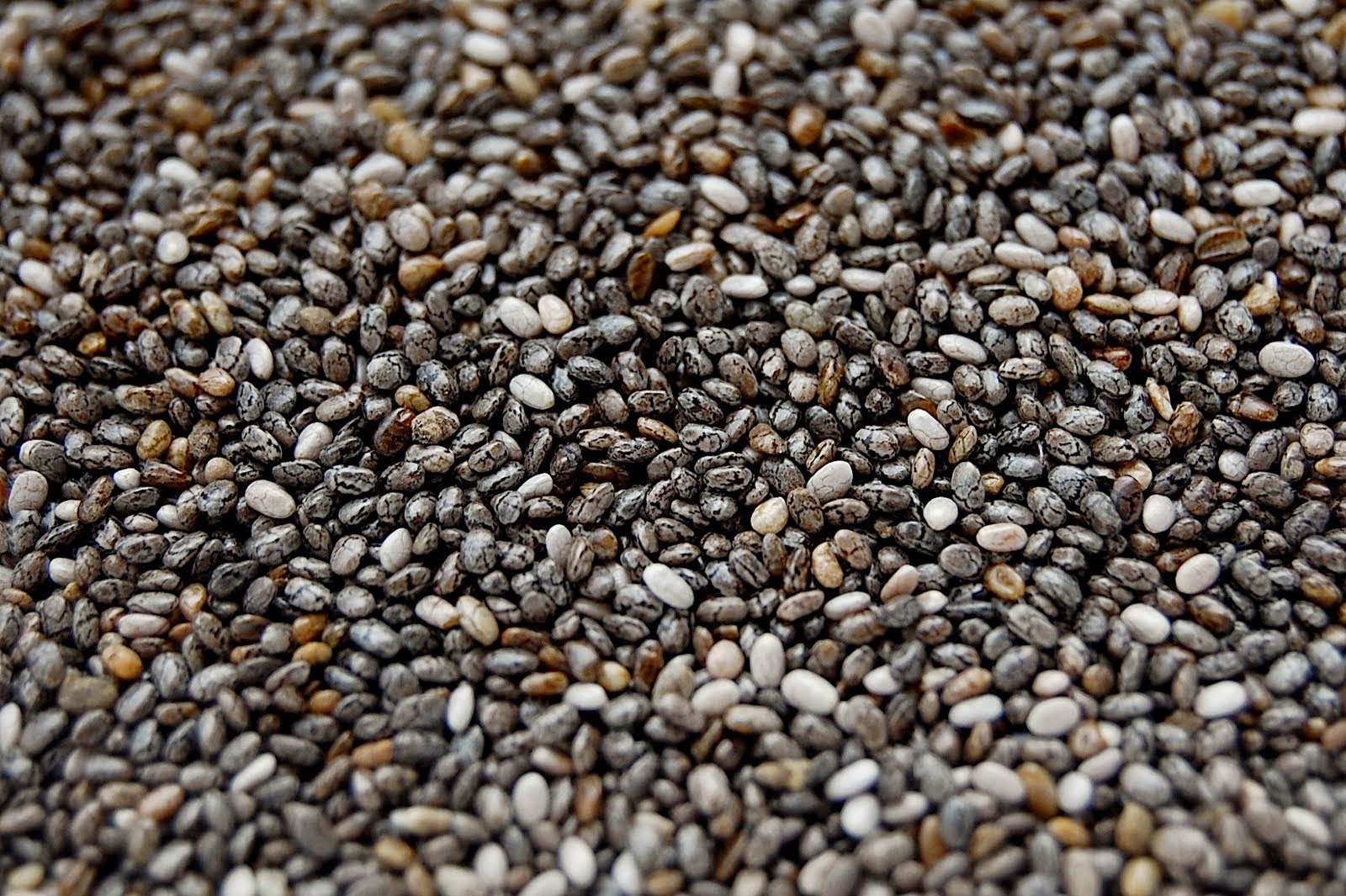
10 Reasons to Add Chia Seeds to Your Diet


Chia seeds are a type of edible seed with a mild nutty flavour. They are a powerhouse of nutrients, for they contain several vitamins and minerals but very few calories. Their interesting flavour makes them the perfect addition to your diet. You can sprinkle them on your cereal, vegetables dishes, yogurt, juices, faloodas (a sweet Indian drink) or baked goods. Here are some of the health benefits of chia seeds.

Weight loss

Chia seeds are packed with high quality protein, making them a good source of protein, especilly for vegetarians. This helps reduce your appetite, fill you up faster and reduce your food cravings. They also help you lose weight by preventing all the food you eat from getting absorbed by your body and controlling your blood sugar and insulin resistance.

Diabetes

Chia seeds are a natural treatment for type 2 diabetes, because they slow down digestion and regulate insulin levels. If you soak them in water and let them develop their gelatinous coating, this coating can help prevent your blood sugar from spiking.

Brain health

Chia seeds are rich in omega-3 fatty acids, which are very good for your brain. They are the richest source of omega-3 among plant sources, and contain more omega-3 than salmon. Unfortunately, omega-3 from plants is not converted as efficiently as it is from non-vegetarian sources.

Dietary fibre
Eating just two tablespoons of chia seeds can fulfil a third of your fibre requirements for the entire day.Fibre reduces inflammation, lowers your cholesterol levels and improves your bowel movements.

Teeth and bones

A single serving of chia seeds has about one fifth of your calcium requirement for the entire day.Calcium helps strengthen your teeth and bones, and keeps osteoporosis at bay. Chia seeds are also rich in manganese, phosphorous and magnesium, all of which improve your bone health.

Antioxidants

Chia seeds have plenty of anti-oxidants that protect your body from aging, free radicals and cancer. These anti-oxidants also give them a long shelf life, making them last up to two years without refrigeration. 

Exercise performance

Studies have shown that chia seeds can boost your exercise performance almost as much as a sportsdrink. They can be used to help athletes load up on carbs before sports events, by delivering plenty ofnutrition and reducing sugar intake. 

Heart health

Chia seeds help to lower your blood pressure and bad cholesterol levels and improve your good cholesterol, making them very good for your heart. 

Whole grain and gluten-free

Chia seeds are whole grain foods that are naturally gluten-free, so they can be included in your meal plan even if you are following a gluten-free diet.